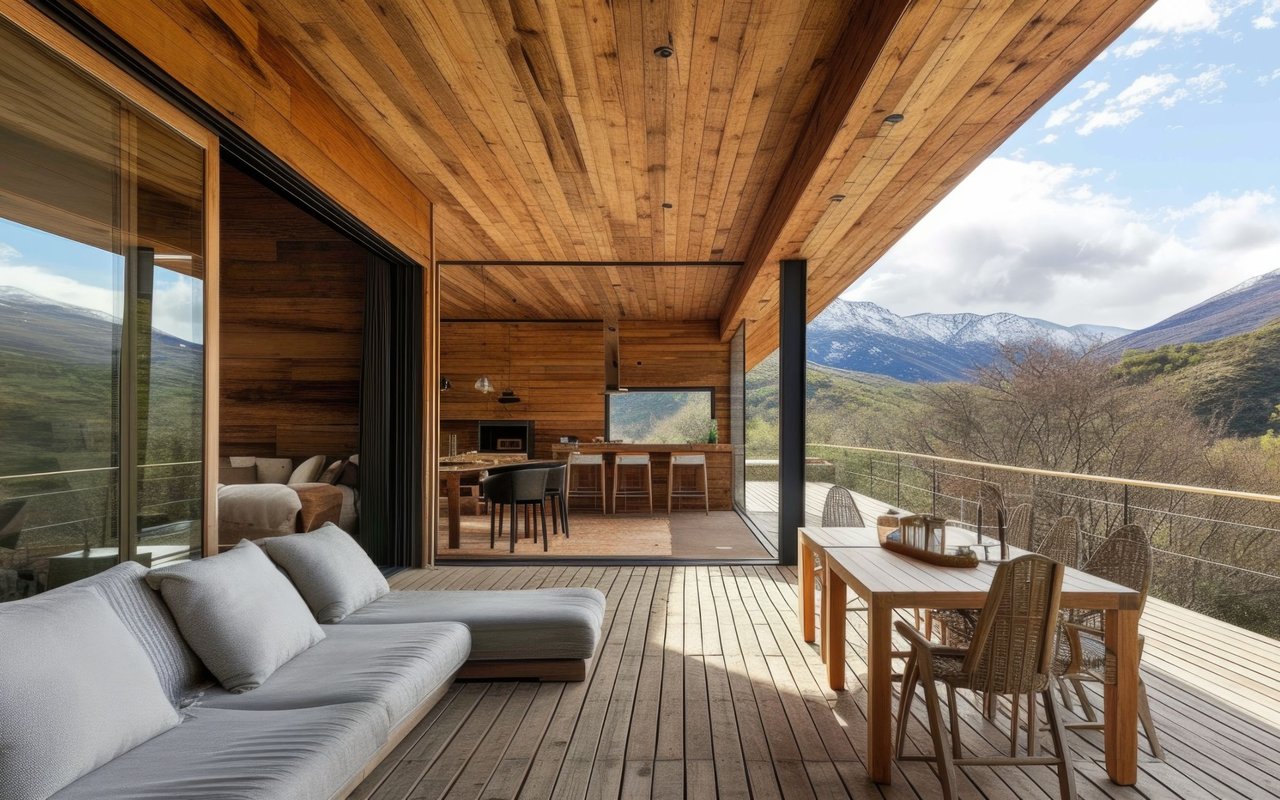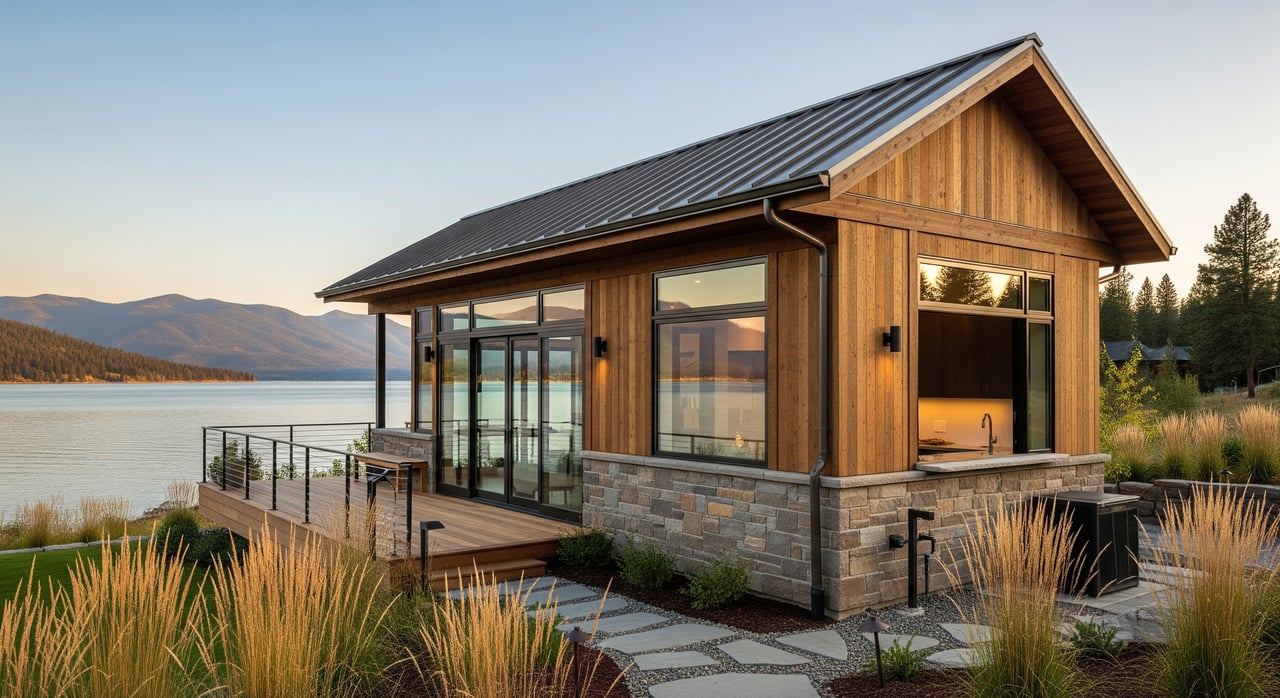
Guests coming to stay in Polson should feel welcomed and comfortable, and you want the space to be safe, legal, and a smart investment. If you are picturing a lakeside retreat for family or a small suite that could work as an accessory dwelling, good planning up front will save you time, money, and stress. In this guide, you will learn what to include in a guest suite, how local permits typically work in Polson and Lake County, and what to watch for on lakeside properties. Let’s dive in.
Clarify your suite’s purpose
Start with the why. Your intended use shapes almost every design and permit decision.
- Occasional family guests. You can usually keep it simple with a comfortable bedroom, a 3/4 bath, a small seating area, and a kitchenette. You still need proper egress from sleeping rooms and smoke and carbon monoxide detection.
- Long-term family member. Plan for more privacy, sound control, a full bath, and a zero-step entry if possible. Separate temperature controls help with comfort.
- ADU or rental. A separate exterior entrance, dedicated parking, and clear mechanical separation are common. A full kitchen can change the classification to a separate dwelling, which affects zoning, septic or sewer capacity, and permits. Confirm details with local planning before you design.
Also confirm jurisdiction early. If your property sits inside the City of Polson, city planning and building departments are your primary contacts. If you are in unincorporated Lake County, county planning and environmental health guide the process. Lakeshore work can add state or federal reviews.
Design must-haves
Great guest suites feel independent yet connected, and they meet basic life-safety needs.
Sleeping and egress
Every sleeping room needs a code-compliant way out. Plan for an egress window or an exterior door from the bedroom. Keep circulation clear around the bed and furniture so guests can move easily.
Bath and laundry
A full bath is ideal for an independent suite. If space is tight, a 3/4 bath works well for most stays. Think about plumbing routes and whether your septic or sewer system can handle the added load. A compact, stacked washer and dryer adds convenience if you expect longer visits.
Kitchen vs. kitchenette
A kitchenette is guest friendly and often simpler to permit. Include a small sink, undercounter refrigerator, microwave, and storage. A full kitchen with a stove or oven can classify the space as a separate dwelling, which can trigger additional zoning and utility requirements. Confirm the threshold in your jurisdiction before you finalize plans.
Entry and storage
A separate or semi-private entry boosts privacy and improves the guest experience. Add a small mud zone for shoes and wet gear, which is especially helpful near the lake. Provide a closet, luggage shelf, and accessible linen storage.
Fire and life safety
Plan for hard-wired, interconnected smoke alarms with battery backup in sleeping areas, and install carbon monoxide detectors as required. If you are building over or within an existing structure, you may need rated assemblies between units, depending on scope and jurisdiction. Show detector locations and egress on your plans.
Accessibility and comfort
You do not need a full ADA buildout for most homes, but universal access features make a big difference. Aim for a zero-step entry if possible, 36 inch door clearances, lever handles, and slip-resistant flooring. Add blocking in the bath so you can install grab bars later if needed.
Sound and privacy
Use insulation in walls and floors between the suite and the main house. Staggered studs, sound-attenuating materials, door sweeps, and a dedicated mechanical location reduce noise. Separate HVAC zones or controls improve comfort and can simplify future rental use.
Lakeside and site factors
Lakeside properties in the Polson area bring extra considerations. Plan for these early to avoid surprises.
Jurisdiction check
- In-town Polson. City planning and building review the project under city zoning and adopted building codes. City utilities handle water and sewer connections if applicable.
- Unincorporated Lake County. County planning, building, and environmental health manage zoning, permits, and septic reviews. Shoreline work or setbacks can involve state agencies, and sometimes the U.S. Army Corps of Engineers.
Septic and wastewater
Adding bedrooms or a kitchen increases daily wastewater loading. The county sanitarian will review your existing septic capacity and may require upgrades or a reserve area if the system is near its limit. If you are on municipal sewer, expect a connection or capacity review.
Water supply
Private wells and shared wells need enough capacity for added fixtures. If you are on city water, you may need a meter or impact fee review. Confirm early so you can budget accurately.
Shoreline and stormwater
Work within shoreline setbacks, and any change that affects drainage near the lake can trigger reviews. Erosion control, vegetation protection, and stormwater management tend to be stricter near the water. On sloped lots, new hard surfaces can require grading or driveway permits.
Access and parking
Zoning often sets minimum off-street parking for ADUs or rental units. On smaller lots or tight lakeside sites, consider tandem parking or permeable pavers. Discuss options with planning if you anticipate a variance request.
Utilities and services
A kitchenette or electric heating may require an electrical service upgrade. Mechanical permits and properly sized HVAC are standard. Plan for solid broadband coverage, such as mesh Wi‑Fi, since guests often expect reliable internet.
Permit steps in Polson
Expect a straightforward sequence with plan review and inspections. The exact steps can vary by jurisdiction and scope.
- Pre-application check. Call planning and zoning to confirm your zoning district and whether an ADU, a guest suite, or short-term rental use is allowed. Ask about setbacks, height, lot coverage, and parking requirements.
- Design and site plan. Prepare a simple site plan that shows existing structures, the proposed suite footprint, setbacks, and septic or well locations. Interior floor plans and basic elevations are typical.
- Building permit application. Submit plans that show structural changes, mechanical, plumbing, electrical, energy code details, smoke and CO detector locations, and egress.
- Specialized approvals. You may need separate plumbing and electrical permits, septic approval from environmental health, stormwater or grading permits, and shoreline or wetland approvals if work is near regulated waters. If you plan to rent short term, expect business license or lodging tax registration steps.
- Plan review and revisions. Reviewers will comment and may request changes. Build in time for at least one revision cycle.
- Inspections and final. Plan for foundation, framing, rough-in trades, insulation, and final inspections. You typically need final approval or a certificate of occupancy before you rent or use the space as an independent dwelling.
Timing and costs
Small interior remodels can process in weeks. New detached suites, ADUs, or any project that requires septic upgrades or shoreline review can take several months. Fee schedules vary, so request them during your pre-application call. Missing or failed inspections can delay final approval, so work with licensed contractors who know local processes.
Market and resale tips
A well-designed suite with independent access and hospitality-grade finishes can improve market appeal and attract multigenerational buyers. Lakeside visitors often value durable, water-friendly materials and an easy place to store gear. Balance finish level with neighborhood norms so you do not over-improve and limit your return.
Always disclose permitted status. Unpermitted living areas create risk and can complicate insurance and resale. If you plan to rent, review any HOA rules, and talk to your insurance agent about coverage for a separate living unit.
Quick planning checklist
- Confirm city versus county jurisdiction and zoning permissions for a guest suite, ADU, or short-term rental.
- Discuss septic capacity with the county sanitarian, or confirm municipal sewer requirements with the local utility.
- Map setbacks, shoreline buffers, and drainage, especially for lakeside lots.
- Decide on kitchenette versus full kitchen, based on your allowed use and permit implications.
- Plan egress from sleeping rooms, smoke and CO detectors, and possible fire separation.
- Provide a separate entry and at least one off-street parking solution if required.
- Budget for permits, impact fees, and potential utility or septic upgrades.
- Use licensed contractors for electrical, plumbing, and mechanical work, and confirm they pull permits.
When you plan with purpose and verify the rules early, you achieve a guest space that feels effortless to use and easy to maintain. If you want to understand how a guest suite could affect your resale value or future rental potential in the Polson area, reach out. Let’s connect for a private conversation about your goals and how to align design choices with your long-term plan.
FAQs
Do I need a building permit for a guest suite in Polson?
- Almost always if you add or modify structural elements, electrical, plumbing, HVAC, egress, or create a separate kitchen. Cosmetic updates alone may not require permits. Confirm with City of Polson or Lake County based on your location.
Will a full kitchen change how my project is classified?
- Often yes. Adding a stove or oven can classify the space as a separate dwelling, which can change zoning, parking, and septic or utility requirements. Verify the threshold with your planning office before you finalize plans.
How does a guest suite impact my septic system?
- Adding bedrooms or a kitchen increases wastewater flow. The county sanitarian will review system capacity and may require an upgrade or reserve area, especially near the lakeshore.
Are short-term rentals allowed for a new suite?
- Rules vary by jurisdiction. Expect business licensing, lodging tax registration, and possible inspections. Check with the City of Polson or Lake County and the local treasurer’s office for current requirements.
What are common shoreline restrictions near Flathead Lake?
- Shoreline setbacks, erosion control, and vegetation protection are common. Work that affects the lakeshore or drainage may require state or federal review. Consult county planning and the appropriate state water resources agency.
Do I need separate parking for an ADU or rental suite?
- Many zoning codes require at least one off-street space per unit or per bedroom. On tight sites, discuss tandem parking or permeable solutions with planning.
What inspections should I expect during construction?
- Typical inspections include foundation, framing, plumbing, electrical, mechanical, insulation, and final. You usually need final approval or a certificate of occupancy before use as an independent dwelling.