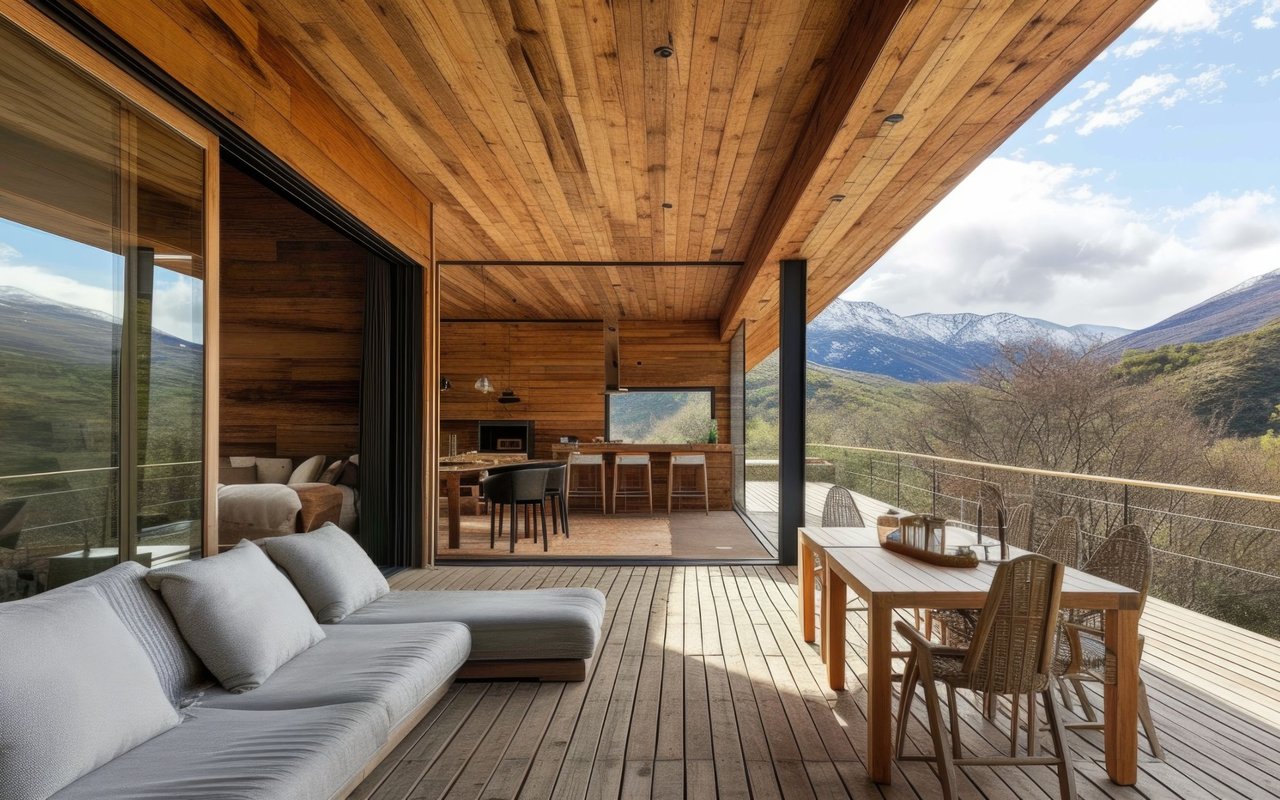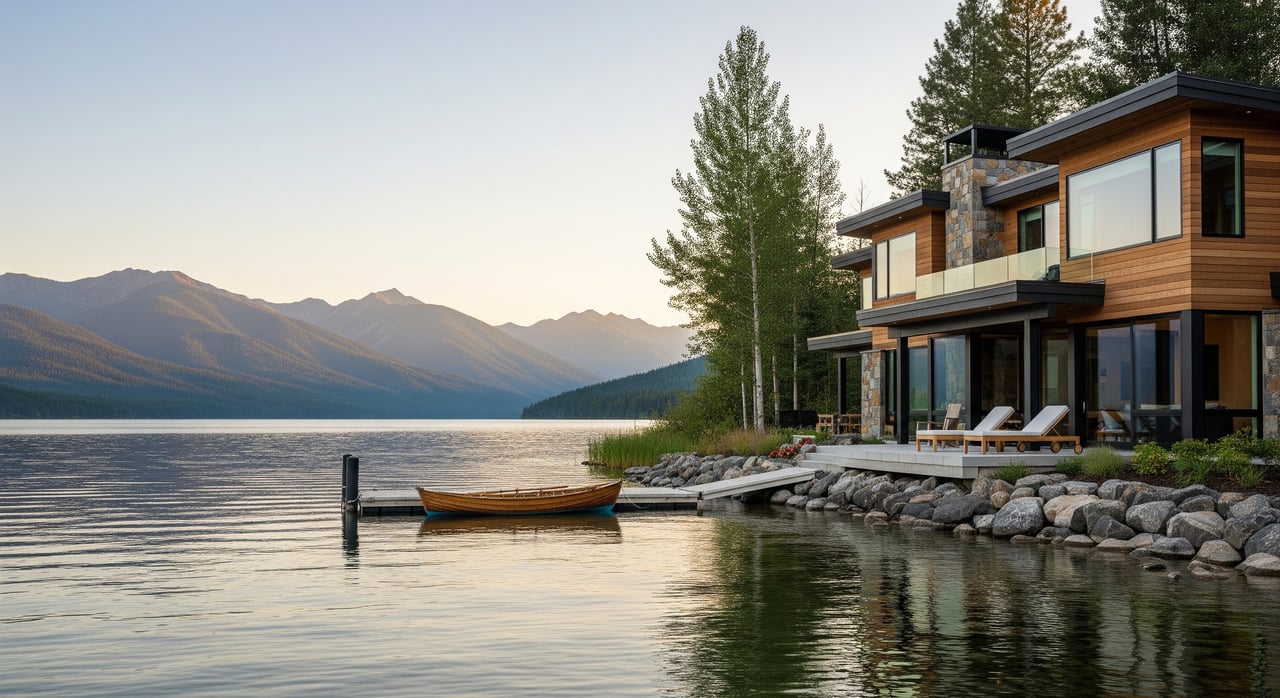
Picture a summer morning that starts with glassy water, a quiet paddle, and coffee on the dock. By afternoon, the lake hums with boats and laughter, then slows again at sunset. If you’re wondering whether this rhythm fits your life, you’re not alone. In this guide, you’ll see what everyday living on or near Whitefish Lake looks like across seasons, plus the practical ownership details most buyers miss. Let’s dive in.
Whitefish Lake at a glance
Whitefish Lake sits beside the town of Whitefish in Flathead County, a mountain resort community with year-round recreation. You have quick access to Whitefish Mountain Resort and an easy launch point to Glacier National Park. Glacier Park International Airport (FCA) in Kalispell is the nearest commercial airport, often about 20 to 30 minutes by car depending on season and traffic. Tourism, second homes, and outdoor recreation shape daily life, with summer and ski season bringing the most visitors.
Expect a true four-season climate. Summers are warm and sunny, autumn is cool and colorful, winters are cold and snowy, and spring can be variable with occasional late snow. These patterns guide how you use the lake and when the community feels busiest or quietest.
Summer days on the water
Summer is the peak lake season. Many residents plan schedules around early mornings and late afternoons for paddling, swimming, or a quick ski run before work or errands. Public beaches and boat launches are busiest in July and August, and parking can be tight on holiday weekends.
Afternoons are about boating, fishing, and time with friends outdoors. Marinas, boat rentals, and waterfront restaurants are active, so reservations help. Evenings often return to calm, with sunsets from docks or decks and casual gatherings at home.
Fall and shoulder-season ease
As the air cools in September, the pace shifts. You’ll find scenic hiking and biking, quieter water, and easier parking at public access points. Some businesses reduce hours, and second-home visits taper. This is also when many owners schedule renovations and plan winterization.
Common fall tasks include pulling seasonal docks, servicing boats, and winterizing irrigation and plumbing. The shoulder season is a good time to handle contractor projects while demand is lighter than summer.
Winter by the lake
Winter brings a different routine. Days start with school or work, then shift to skiing at Whitefish Mountain Resort, snowshoeing, or cross-country laps. Lakeside evenings are peaceful, and the shoreline views from a warm living room can be a highlight.
Motorized boating mostly pauses. Ice formation varies by year and location, so locals check official advisories before walking or ice-fishing. Town lodging stays busy for ski season, but lake neighborhoods are typically quieter at night.
Spring thaw and setup
Spring can swing between thaw and fresh snow. Boat launches reopen and docks go back in as conditions allow. You’ll see more maintenance crews around the lake and increased interest from buyers.
Bird migration returns and wildlife is active along the shore. Bears may move through the area in search of food, so secure trash is a regular homeowner priority.
Property types and tradeoffs
Lakefront homes
True lakefront is limited and commands a premium. Values vary by parcel size, views, water access, and dock rights. Ownership also means more shoreline stewardship and seasonal maintenance.
Near-lake homes
Homes a short walk or drive from the water offer many of the same lifestyle benefits with lower costs and simpler upkeep. You may trade immediate dock access for easier maintenance and more parking.
Condos and townhomes
You’ll find options in and near town with proximity to services and, in some cases, lake views. Direct lakefront condos are fewer, but near-lake buildings can deliver convenience with lower maintenance.
Cabins and rustic updates
Older seasonal cabins are often renovated into year-round retreats. If you like character and are open to projects, these properties can be compelling.
Daily ownership and maintenance
Lake living involves a steady but manageable rhythm of care. Typical tasks include:
- Spring: Reinstall docks, service boats, test irrigation, inspect roofs and decks.
- Summer: Seal decks as needed, maintain shoreline vegetation, monitor erosion control.
- Fall: Winterize irrigation and plumbing, pull seasonal docks, store boats.
- Winter: Snow management for driveways and roofs, check for ice dams and safe access.
Utilities vary by property. Some parcels have municipal water and sewer, while others rely on well and septic systems. Septic care and well maintenance are ongoing responsibilities, so it pays to verify utility details before you buy.
Docks and moorage basics
Dock rights and the ability to build or maintain a dock depend on your specific parcel and local or state rules. Some properties include private docks, while others use community docks or public marinas. Seasonal removal and reinstallation is common, and marina slip availability can be limited in summer.
Before you write an offer, confirm what is deeded, what requires permits, and where you’ll store or service watercraft. Plan ahead for summer if you need a slip or boat rental.
Stewardship and safety
Montana focuses heavily on aquatic invasive species prevention. Owners follow clean, drain, and dry practices and pay attention to inspection and decontamination guidance. Protecting water quality also means keeping native vegetation buffers when possible to reduce erosion and support habitat.
Wildfire is another regional consideration. Create defensible space as allowed and talk with your insurer about coverage and maintenance expectations. On the water, follow no-wake zones near shore, use life jackets, and stay alert for swimmers and paddlecraft.
Ice safety is never guaranteed. Thickness can change with currents and weather, so always consult local advisories. For emergencies, confirm EMS coverage and know that hospitals and expanded healthcare services are in Kalispell.
Everyday services and access
Daily shopping, dining, and basic services are in Whitefish, with larger healthcare and specialty options in Kalispell. The Whitefish Trail network offers hiking and biking close to town and near the lake. Broadband has improved across the valley, but lakefront and rural parcels can have variable speeds, so verify providers and service levels for each property.
Most lake properties have year-round road access, but homeowners typically manage private driveway plowing. For travel, FCA offers commercial flights that serve the Flathead Valley. Commute times into Whitefish or Kalispell vary with season and traffic.
Is Whitefish Lake right for you?
If you thrive on four-season recreation and a social summer by the water, the lake lifestyle fits well. Lakefront gives you the shoreline experience at a premium with added maintenance. Near-lake homes deliver convenience and cost control with quick access when you want it.
Before you buy, confirm dock rights, utility type, shoreline setbacks, and any HOA or rental rules. If you plan to rent, check current City of Whitefish and Flathead County short-term rental regulations and any lodging taxes. A property-specific review upfront can save surprises later.
Ready to explore options on or near Whitefish Lake? Connect with a local advisor who blends place-based expertise with concierge service. To discuss your goals and see curated opportunities, reach out to Megan Helgeson.
FAQs
What is summer daily life like on Whitefish Lake?
- Mornings are calm for paddling and swims, afternoons are boat-heavy and social, and evenings settle into sunsets and relaxed gatherings at home.
How far is the airport from Whitefish Lake?
- Glacier Park International Airport (FCA) is typically about a 20 to 30 minute drive, depending on season, traffic, and road conditions.
Do most lakefront homes include private docks?
- Dock rights vary by parcel and local rules. Some properties include a private dock, while others use community docks or public marinas.
Are short-term rentals allowed around the lake?
- Demand is strong, but rules vary. Verify current City of Whitefish and Flathead County regulations, any HOA restrictions, and applicable lodging taxes.
What utilities are common for lakefront properties?
- Some parcels connect to municipal water and sewer, while others use well and septic. Plan for routine maintenance and confirm details during due diligence.
Is winter access a challenge for lakeside homes?
- Most properties have year-round road access. Homeowners are usually responsible for private driveway snowplowing and winter maintenance.
How busy do public beaches and launches get in summer?
- July and August are the busiest months, and holiday weekends can bring limited parking. Early mornings and weekdays are often less crowded.